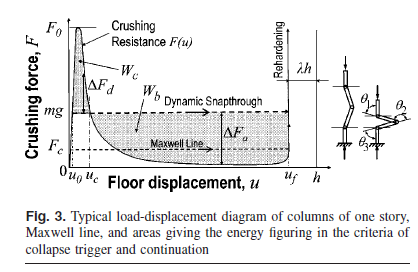
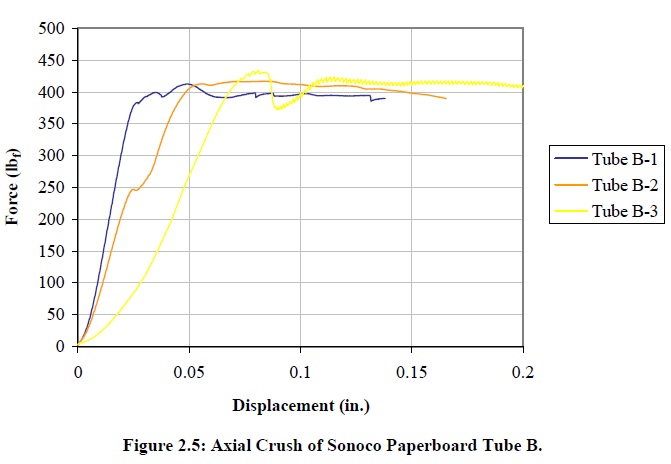
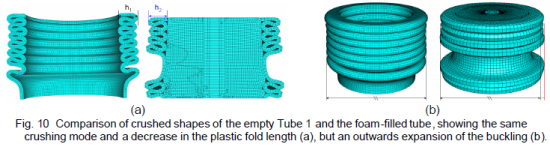
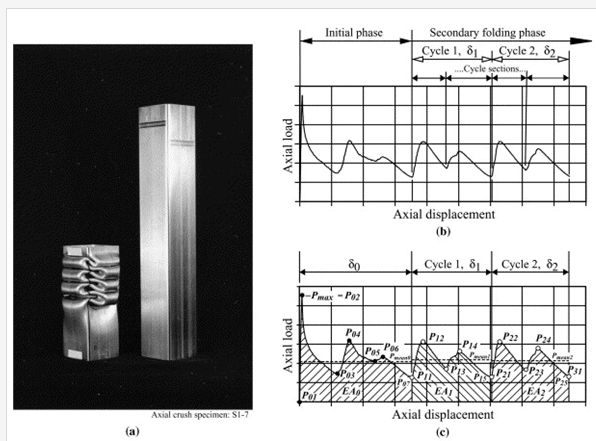
That's very much the purpose. Collections of bunk are like weeds. If you chop them down then they will return, even if you get some great tools to do the chopping, even if you get lots of people to help. What's needed is the discovery and cultivation of the antibunk - the collection of factual observations and reasoning that will annihilate the bunk on contact. Plant the antibunk near the bunk, or at least keep it handy.
Diagrams are an important part of antibunk. They take longer to grow, but they work a lot better than walls of text - wall are always full of holes.
The reason we don't have much high quality antibunk is the work required and the lack of motivation. It's fun to swing the machete of reason. It's fun (for a while) to play whack-a-mole. It's rewarding to free some lost soul tangled in the weeds. It's less fun, and more work, to carefully cultivate appropriate antibunk that will render those temporary measures unnecessary.
I've given a bit of thought to your sentiments on the issue; I appreciate the metalevel discussion of this concern for both academic and practical considerations. It's much easier to take apart and respond to an engineering argument than find something intelligent and non-trivial to say on this subject, despite the number of thoughts it provokes. Pardon me for just dropping random, scattered thoughts.
It's not a total drudge. I love to argue. I think the dreariness comes from lack of progress, repetitive cycles, etc. As you say, preparing an intensive canned response lacks the immediate satisfaction of motivated response. It's been too much bother in conditions lacking immediacy and urgency, and no time for it when putting out fires.
Someone has already compiled links to repeated instances where either Tony is shown wrong, presents an insufficient case, or simply evades an argument.
Check it out, it's huge, it's damning. It only concerns interactions in
one thread. It's possible to create much larger compilations spanning multiple forums over years, but this alone should be sufficient for any truly interested party to arrive at a conclusion.
Problem is:
1) Most people don't follow links
2) Most people don't read arguments at all
3) Those who do read arguments prefer arguments directed at them
By "most people" I mean the typical target audience who profess an interest in and would greatly benefit from reading all of that context. Those capable of making an argument don't need to but are probably more likely to click on a link and read all (quality) arguments available to be best prepared.
#1: They say or imply they follow links but, no, not really. Not unless or until it's necessary to respond in a way that requires knowledge of the linked content, and then it's easier to just blow it off. Witness that in the current situation.
#2: Short attention span, limited skills, greater commitment to belief than understanding.
#3: What genuine interest exists is more elevated if someone receives a direct, personalized explanation rather than a link to another argument somewhere else, particularly if they have to do any sifting. Understandable. But doesn't excuse not clicking the link at all to assess how much wading needs to be done.
The chances of having someone click on a link which is presented as both the best and most concise explanation of an issue is greater than any other target, but how great it is I don't know. After that, depends on the implementation and the viewer. Wall of words is not the best approach for most people. If there were a way to incorporate all the remedial physics and engineering necessary to grasp certain arguments into a powerpoint instead of a lot of words, that's probably how the subjects would be taught. No doubt, there are many superb online visualization and learning aids for all sorts of technical subjects, and something could be done in this fashion.
Except...
- the work involved to rigorously refute a claim or render the status as indeterminate usually far exceeds the work of making the claim, even without a fancy dog and pony show
- remedial instruction factors in heavily for claims that appeal to intuitive (but incorrect) notions of physics/engineering; invariably "too boring" and "too technical"
- the audience, by and large, are disinterested ingrates feigning consideration of your arguments to cover for their pre-existing beliefs
Probably the biggest thing for me is this:
I want to convince the original source of the argument that they're wrong. I don't care so much about onlookers, although I haven't had much problem in that regard except for the stubborn ideological types who don't follow links and don't read text. I'm not crafting my arguments for the short attention span audience or ideologues and certainly not to "win hearts and minds" of the general public.
I want the person who's telling me I'm wrong to see their error.
Alternately, they could show me the error of my ways. Good luck with that.
<the post above has been close-captioned with selective bolding for the attention span impaired>



 df
df ", but there are so many @
 ).
).