

MonkeeSage
Senior Member.
On X I have seen a user posting the same 4 images several times over the last few days. They are images from the STEREO and SDO solar observation satellites and they show blobs and streaks that were being interpreted as anomalous with the implication being they are related to aliens. After seeing them posted several times I finally replied that they are cosmic ray artifacts and linked to the STEREO Learning Center page on cosmic ray artifacts: https://stereo-ssc.nascom.nasa.gov/artifacts/artifacts_cosmic_rays.shtml.
The person who found the artifacts was none to happy with my diagnosis and told me to keep studying. When pressed for why they think the artifacts were not caused by cosmic rays they told me to study the literature and the images and write a paper with findings and get back to them. I would normally consider such a flippant request as a way of saying "scram", but I thought would be a good chance to learn about how the images are processed.
Claude code was able to help me find information about the processing done on the images, find technical details about the sensors, perform the analysis of the artifacts and create a write up. It turns out that most of the published images have a "de-spiking" algorithm applied to them after collection and before publishing that removes cosmic rays and other noise (there are thousands of them per frame), and the pixels that are changed are recorded along with their original raw values. That means it's possible to "re-spike" them to recover the original data. The de-spiking algorithm is very good and removes 96-99% of artifacts in my samples. The leftover bits are what get interpreted as alien spaceships.
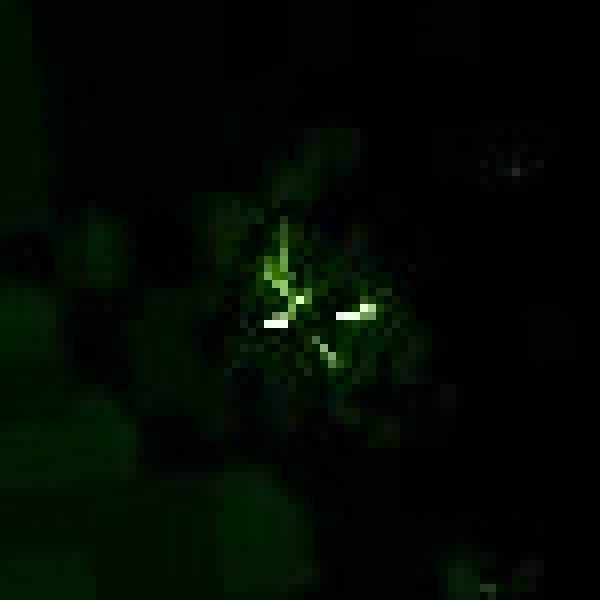
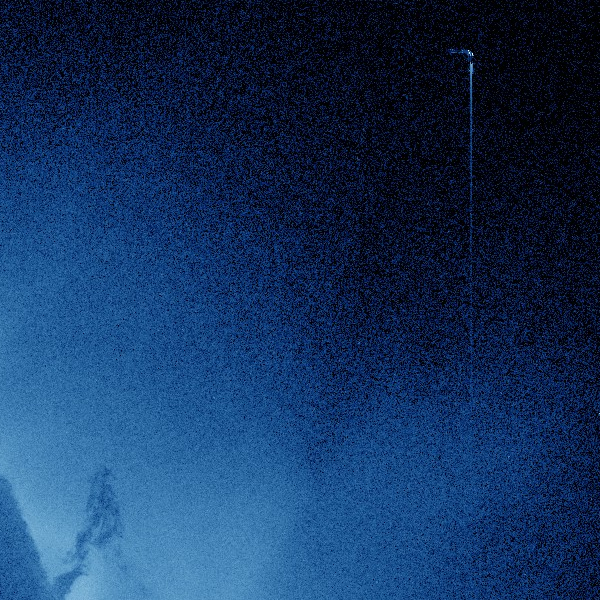
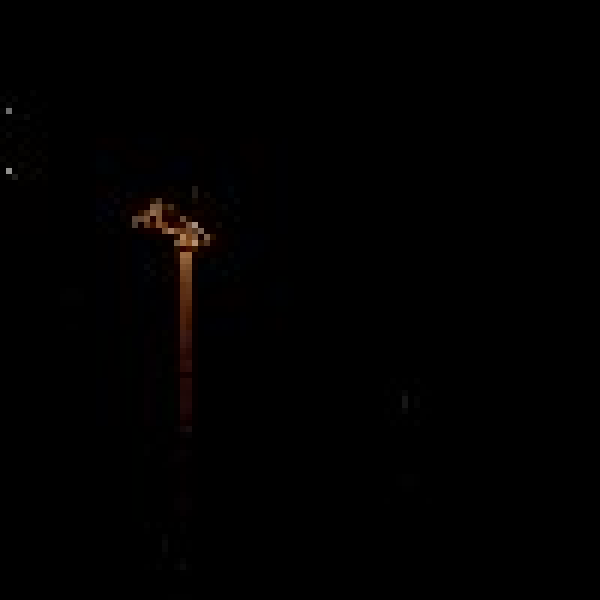
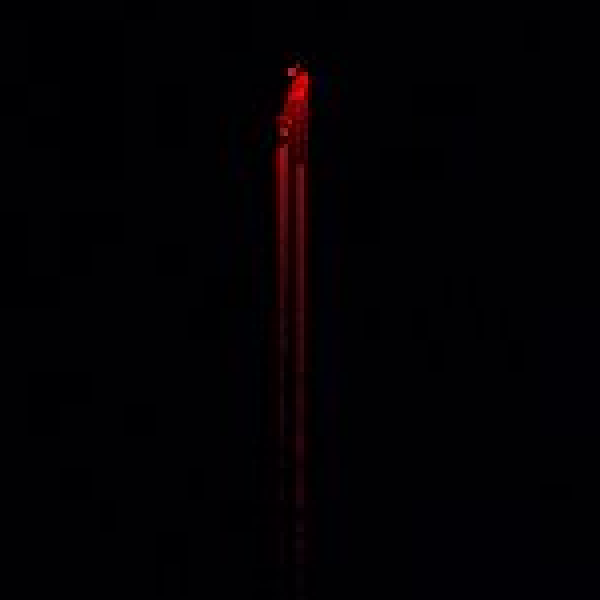
Here are the artifacts from the published images (scaled up with nearest-neighbor sampling):
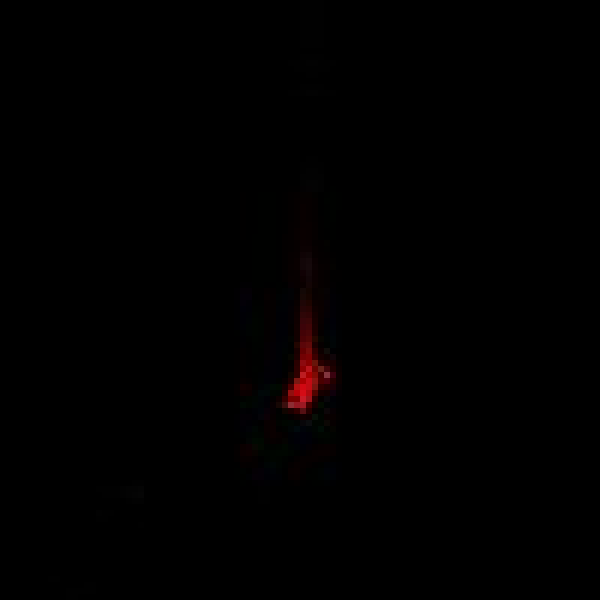
They look pretty alien. But comparing the re-spiked images it becomes clear they are very likely to be caused by high energy particle hits on the sensors.
And to really put the nail in the alien spaceship coffin, physical objects can be entirely ruled out on a technical level.
So he got his paper, and now I have something to point people to beyond just the cosmic ray artifact page.
There's a thread from a few years ago about artifacts in an image from SDO so I figured this write up might be interesting to folks here.
The repo is below (the write up is the README), and a rendered PDF version is attached.
https://github.com/MonkeeSage/stereo-sdo-artifacts
The person who found the artifacts was none to happy with my diagnosis and told me to keep studying. When pressed for why they think the artifacts were not caused by cosmic rays they told me to study the literature and the images and write a paper with findings and get back to them. I would normally consider such a flippant request as a way of saying "scram", but I thought would be a good chance to learn about how the images are processed.
Claude code was able to help me find information about the processing done on the images, find technical details about the sensors, perform the analysis of the artifacts and create a write up. It turns out that most of the published images have a "de-spiking" algorithm applied to them after collection and before publishing that removes cosmic rays and other noise (there are thousands of them per frame), and the pixels that are changed are recorded along with their original raw values. That means it's possible to "re-spike" them to recover the original data. The de-spiking algorithm is very good and removes 96-99% of artifacts in my samples. The leftover bits are what get interpreted as alien spaceships.
Here are the artifacts from the published images (scaled up with nearest-neighbor sampling):
They look pretty alien. But comparing the re-spiked images it becomes clear they are very likely to be caused by high energy particle hits on the sensors.
And to really put the nail in the alien spaceship coffin, physical objects can be entirely ruled out on a technical level.
External Quote:They are sharper than the telescope can image. Anything in the sky is seen through the telescope optics, which blur a point to about 1.5 arcsec, roughly 2.5 AIA pixels [12]. In A2, A4a andA4b the brightness falls from 11,900–16,900 DN to under 210 DN between one pixel and the next. Only charge deposited directly in the detector can have edges that sharp.
So he got his paper, and now I have something to point people to beyond just the cosmic ray artifact page.
There's a thread from a few years ago about artifacts in an image from SDO so I figured this write up might be interesting to folks here.
The repo is below (the write up is the README), and a rendered PDF version is attached.
https://github.com/MonkeeSage/stereo-sdo-artifacts


