Marine0811
Active Member
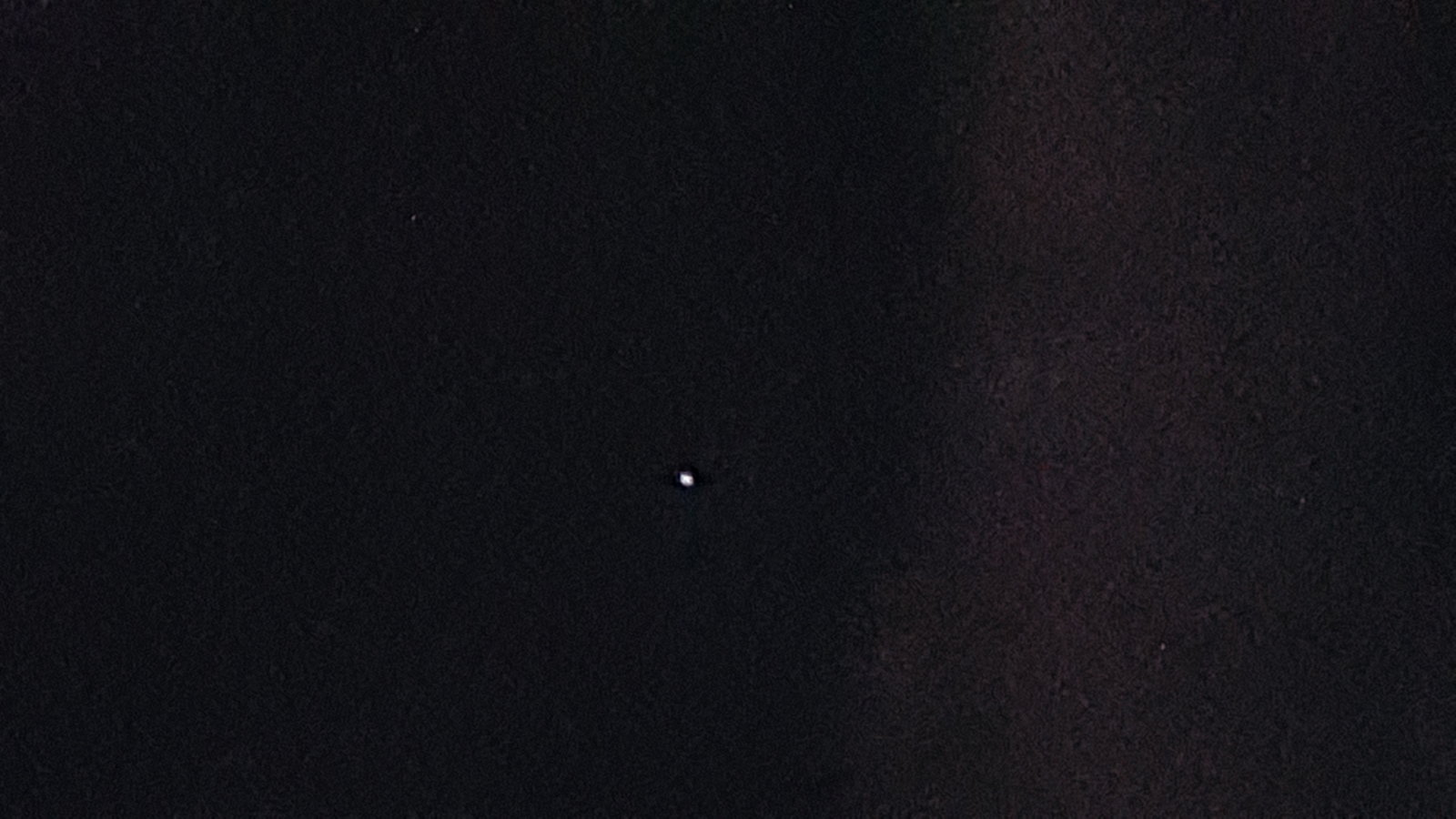
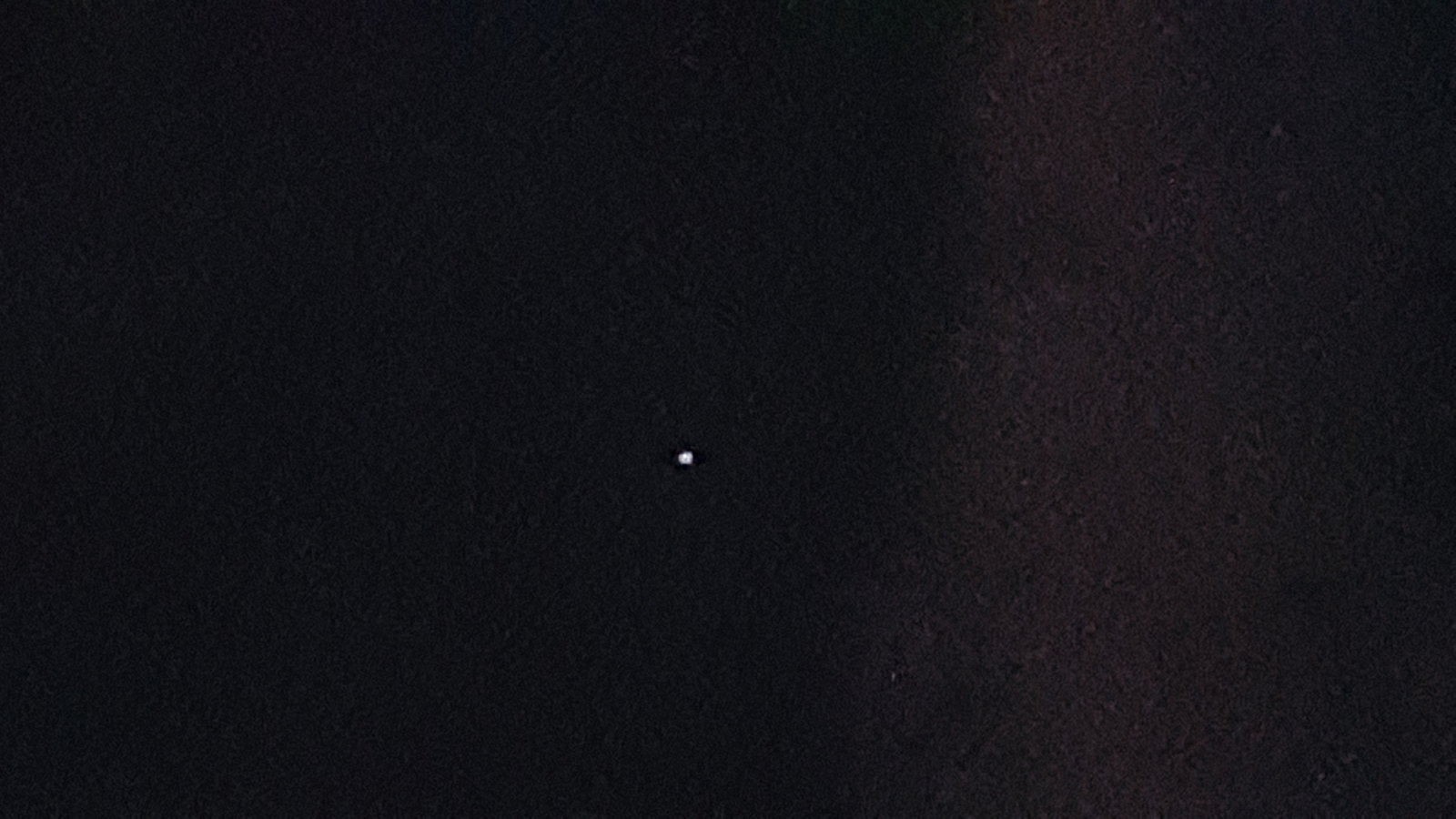
Hello, I took these pictures of what I first thought was a star, but when I zoomed in the object looked different in the pictures. Any idea on what it is?
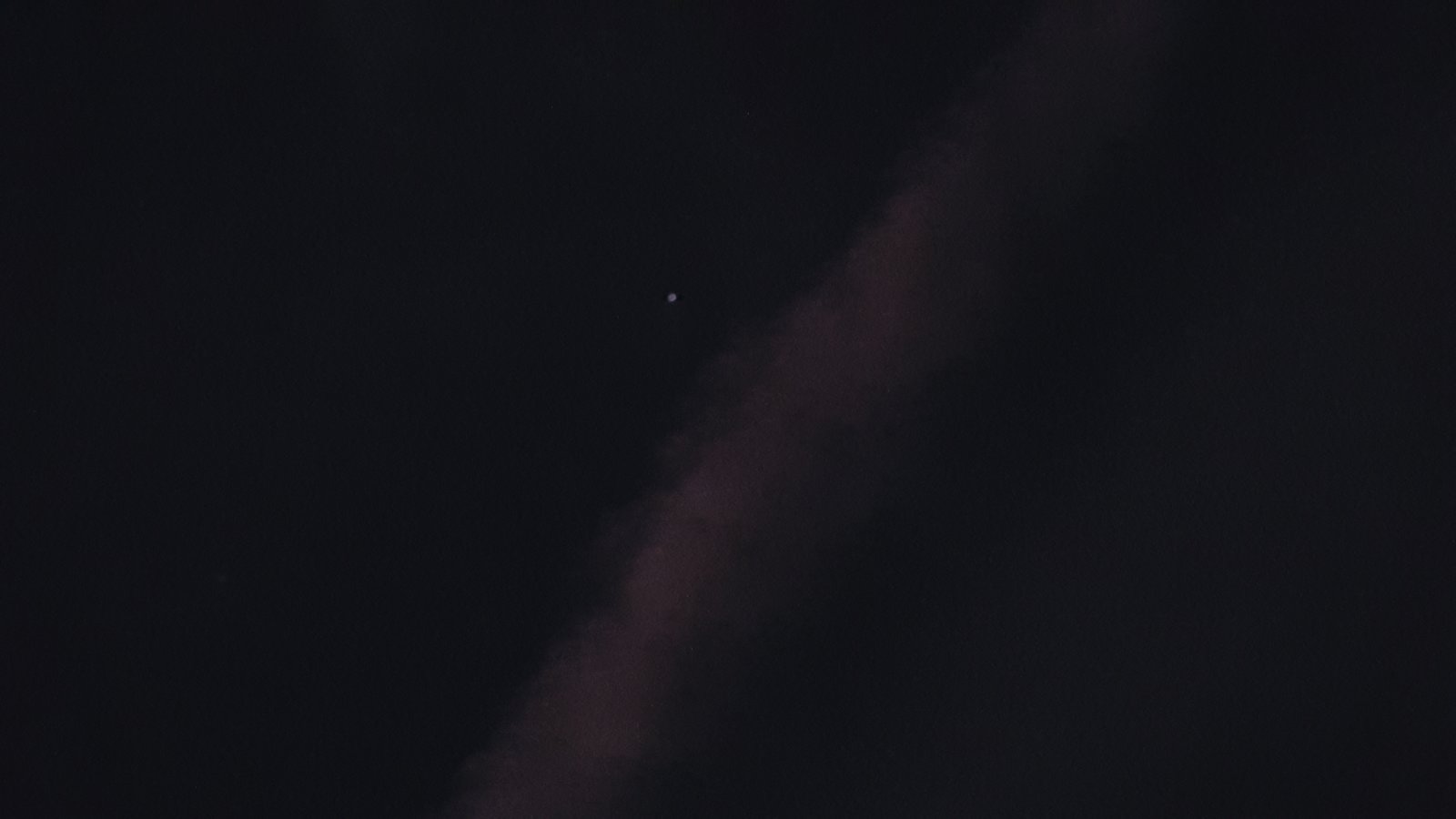
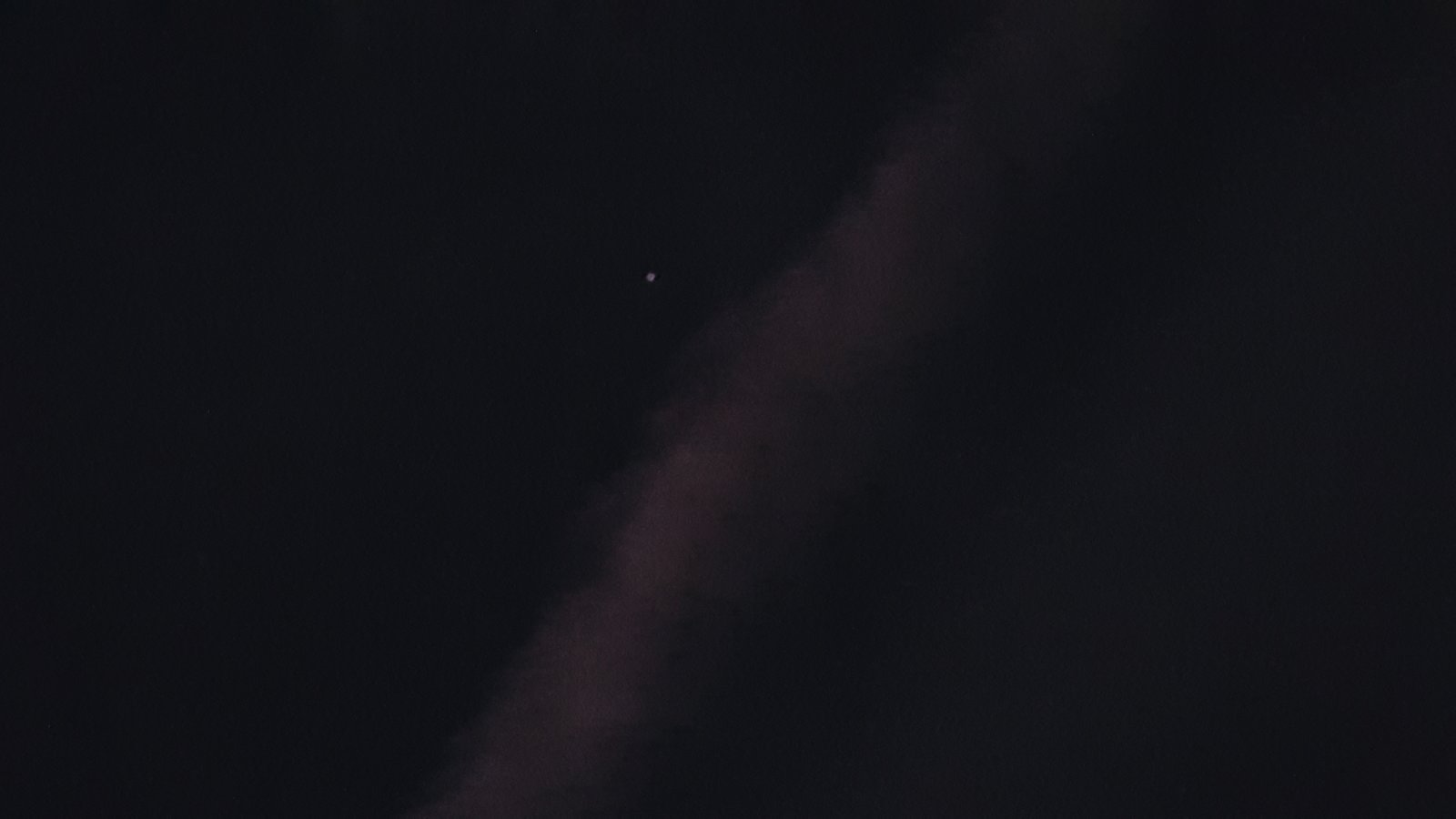
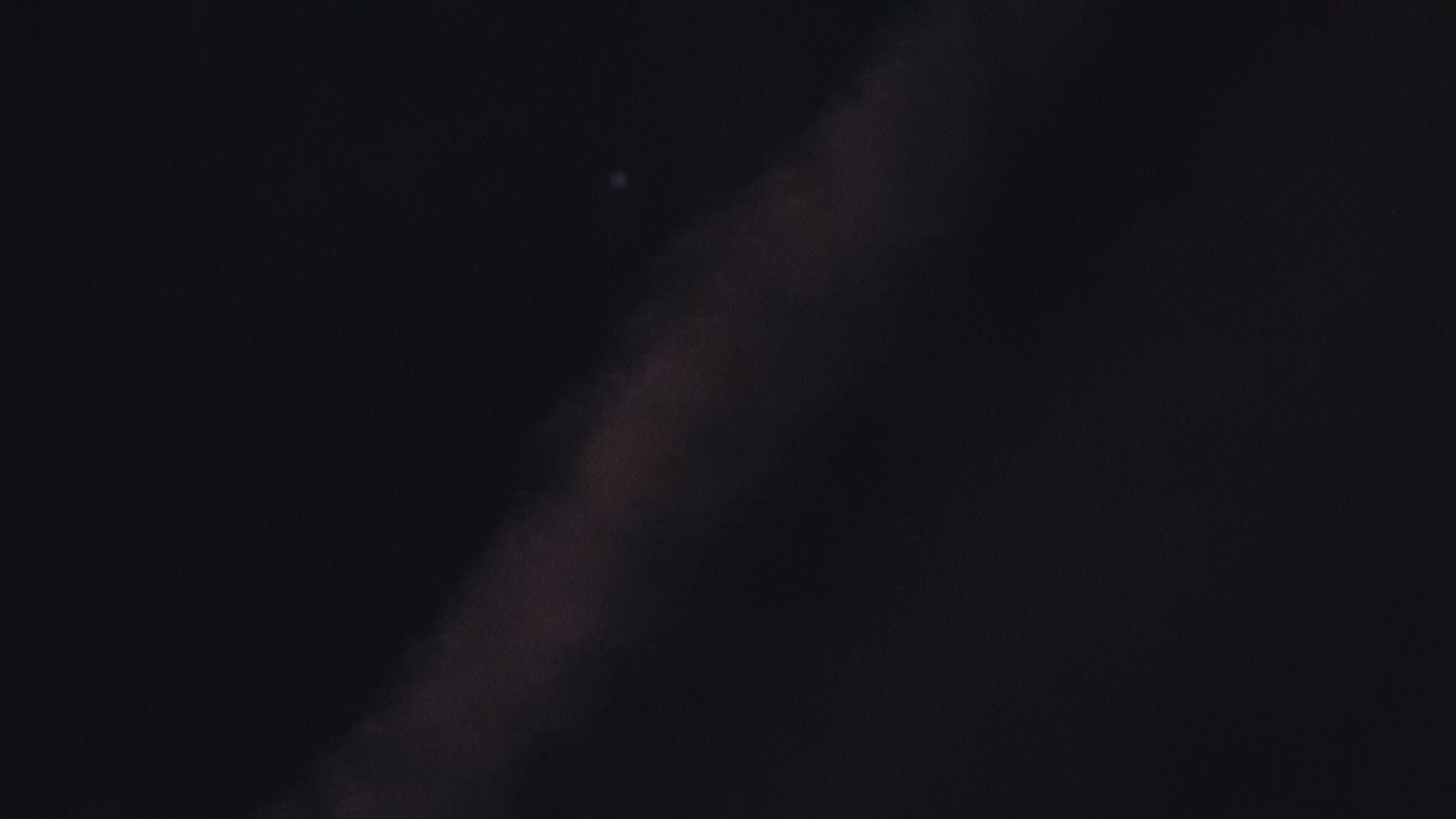
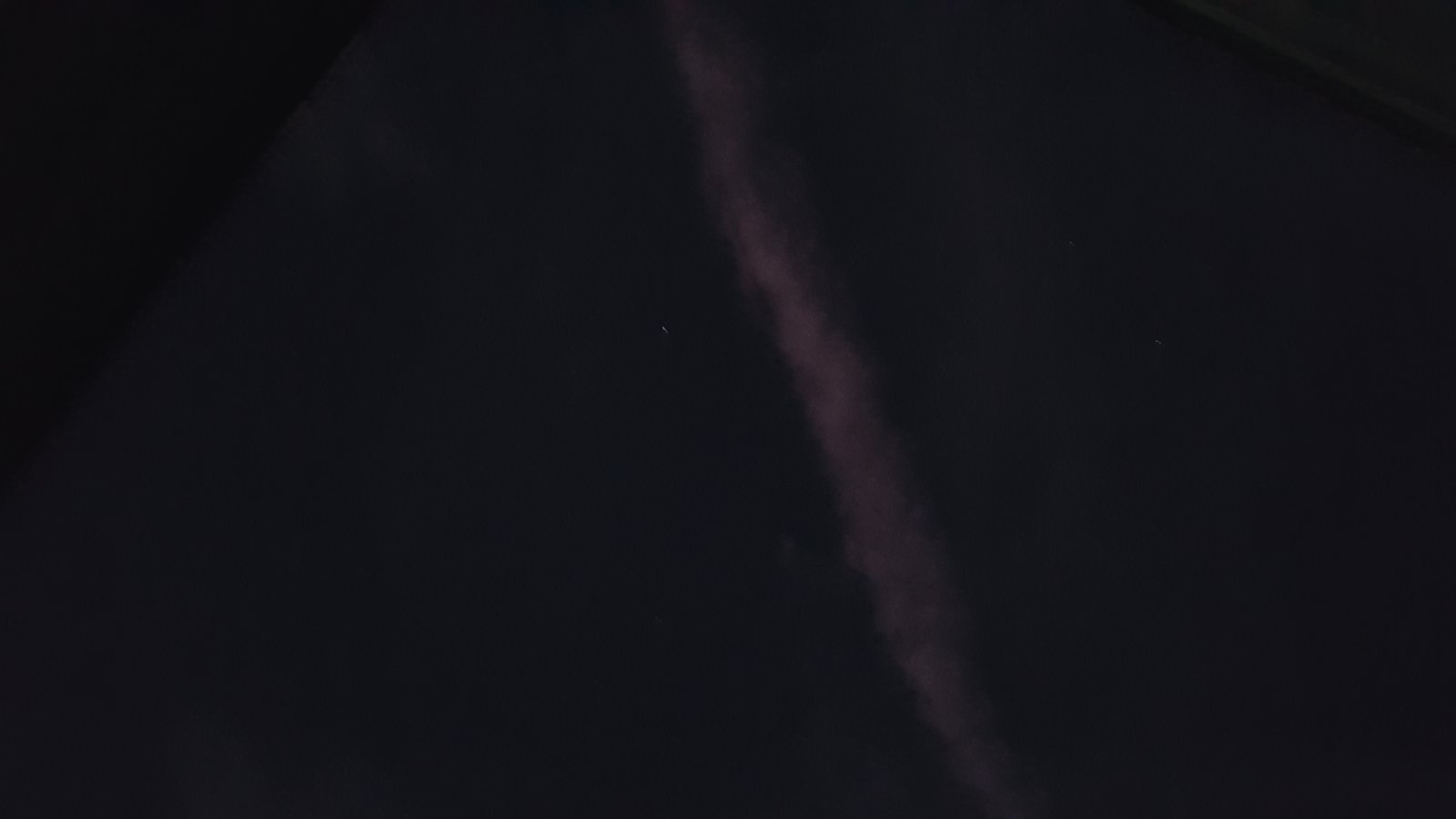


A planet?
If you know the exact time and location, and the rough heading then you should be able to find it in Stellarium.

The Earth does rotate and orbit the sun.I installed something called star tracker, is that app accurate? I am in SC and the direction according to that app was pointed SE. Will the stars and planets remain in similar locations for an amount of time or will they appear in different places daily?

I installed something called star tracker, is that app accurate? I am in SC and the direction according to that app was pointed SE. Will the stars and planets remain in similar locations for an amount of time or will they appear in different places daily?
I installed something called star tracker, is that app accurate? I am in SC and the direction according to that app was pointed SE. Will the stars and planets remain in similar locations for an amount of time or will they appear in different places daily?
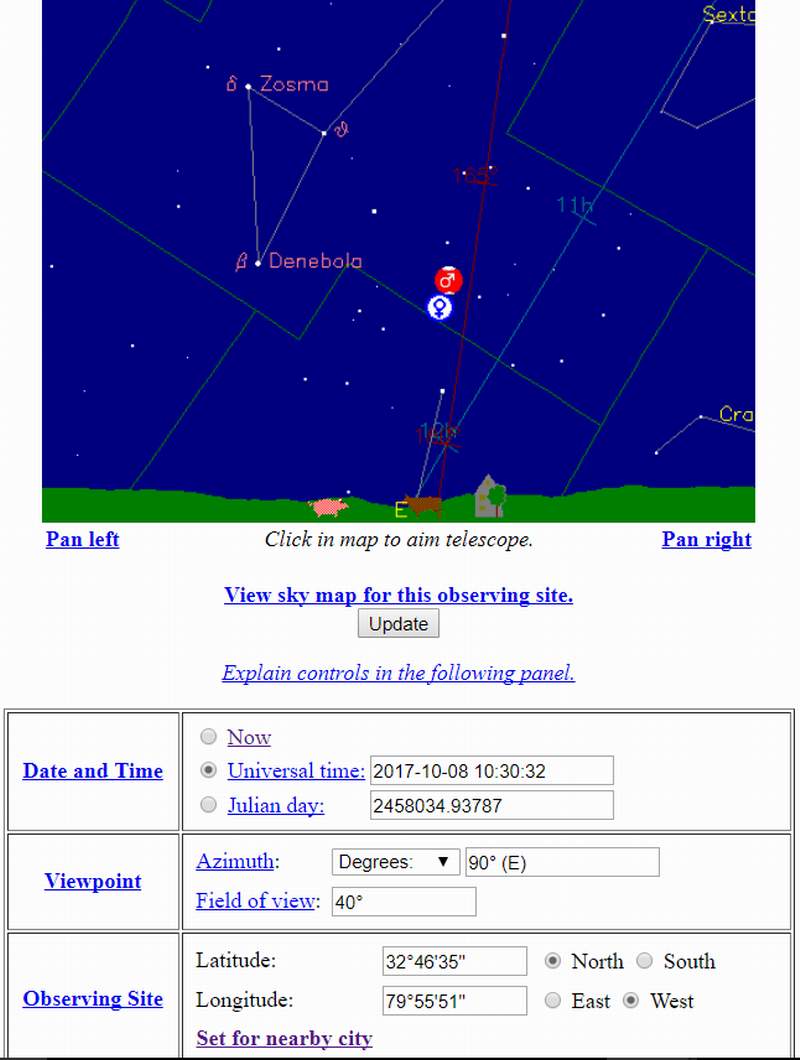
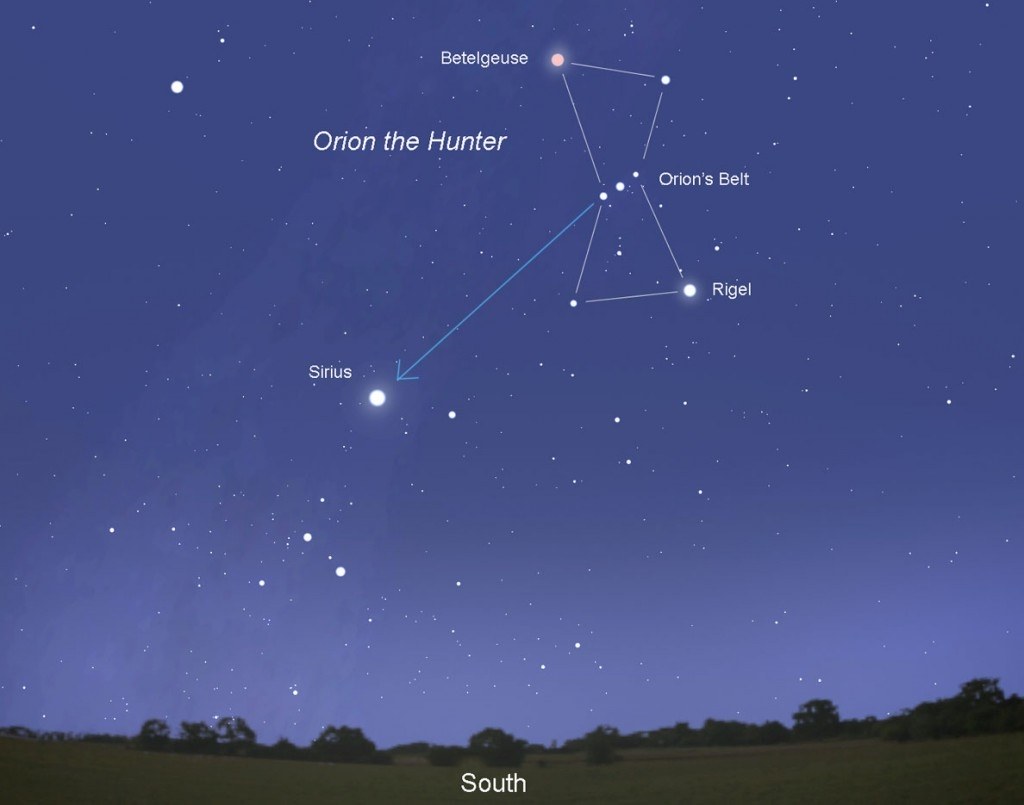
Please post the time and date of these photos, if you want help identifying the light.I have a few more that were taken right before the ones I posted.
Please post the time and date of these photos, if you want help identifying the light.
I can't see anything in particular in the SE at that time. So I suspect you might just have have an out-of-focus star.

You need to make the time zone and daylight savings clear to avoid possible confusion.They are from September 25th from 8:01pm through 8:03pm.

He's in South Carolina, pictures taken in September. Therefore UTC -4.You need to make the time zone and daylight savings clear to avoid possible confusion.
How is the app calculating your direction? Do you remember the direction you were facing? Also some approximate GPS coordinates.I installed something called star tracker, is that app accurate? I am in SC and the direction according to that app was pointed SE.

It could be a distant plane flying toward you. Are you still in Boiling Springs, SC? For this location and the time, the likely candidate flight is American Airlines 2388 from Orlando to Chicago performed by Boeing 737-823 N875NN.I am in SC and the direction according to that app was pointed SE.
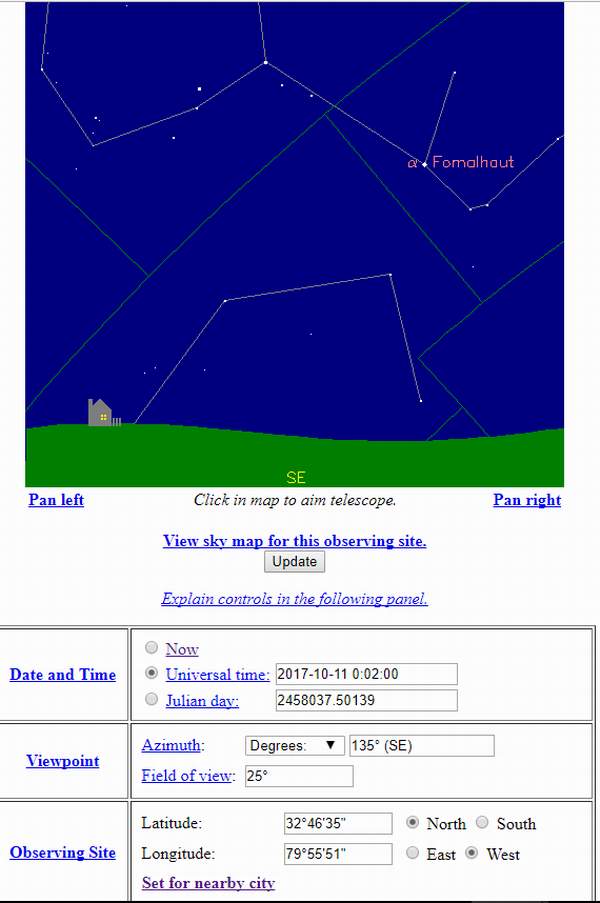
I don't think the ISS would be in the same place for two minutes.Could it be:View attachment 29661
External Quote:Tonight – September 28, 2017 – look for the lonelieststar. Which one is that? Many people would say the answer is Fomalhaut, a bright star in the constellation Piscis Austrinus the Southern Fish, bright enough to be seen on a moonlit night. Fomalhaut is a bright star – visible from all but far-northern latitudes – located in a region of the sky that contains only very faint stars. So it appears solitary in the night sky.
From the Northern Hemisphere, at about 8 to 9 p.m., look for a solitary star that's peeking out at you just above the southeast horizon. See it? No other bright star sits so low in the southeast at this time of year. From this hemisphere, Fomalhaut dances close the southern horizon until well after midnight on these autumn nights. It reaches its highest point for the night in the southern sky at roughly 10:30 p.m. local time (11:30 p.m. daylight-saving time). At mid-northern latitudes, Fomalhaut sets in the southwest around 2 to 3 a.m. local time (3 to 4 a.m. local daylight-saving time).
From the Southern Hemisphere, Fomalhaut rises in a southeasterly direction, too, but this star climbs much higher up in the Southern Hemisphere sky and stays out for a longer period of time. Click here to find out precisely when Fomalhaut rises, transits (climbs highest up for the night) and sets in your sky.
Remember … it's bright and solitary. The coming month or so presents a good time to see this star.
Fomalhaut is a bright white star, the brightest star in an otherwise empty-looking part of the sky. In skylore, you sometimes see it called the Lonely One, or the Solitary One, or sometimes the Autumn Star. Depending on whose list you believe, Fomalhaut is either the 17th or the 18th brightest star in the sky.
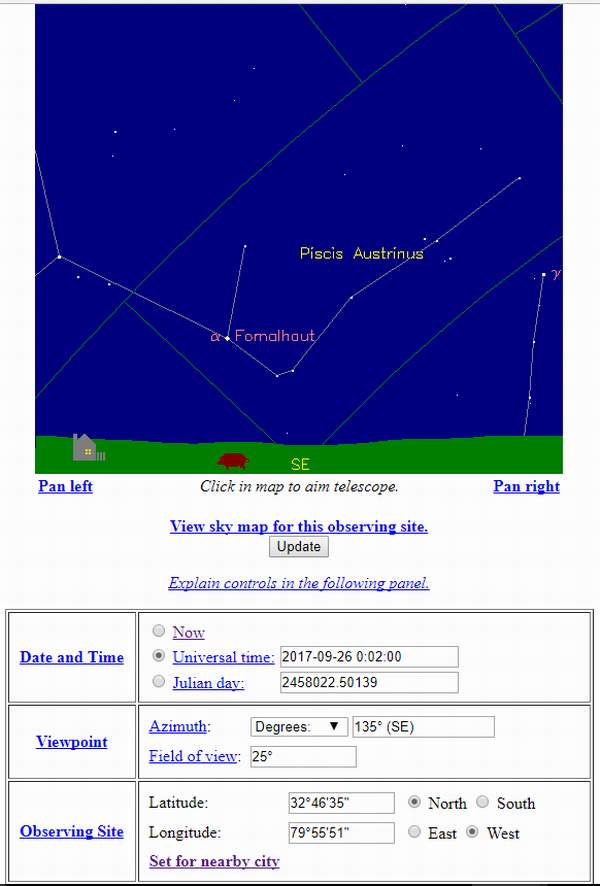
Fomalhaut. One of the brightest stars in the sky. And it stands out because the stars around it are dim.
(With the caveat that it's kind of surprising that you could capture it so well on a handheld camera)
It's still visible at 8:00 PM in S.C. As a matter of fact it's higher in the sky, slightly farther to the west. And there's no moon, so it will be more visible. Go out tonight and look for it.
I thought it was interesting how it appears to change brightness and shape.
External Quote:In simple terms, twinkling of stars is caused by the passing of light through different layers of a turbulent atmosphere. Most scintillation effects are caused by anomalous refraction caused by small-scale fluctuations in air density usually related to temperature gradients.
I will check tonight if the clouds clear out. I can't recall ever seeing a star that noticable in that location before.
Do you know why there is a blackened area around it, is this a camera effect?
The next two show the shape is different.
View attachment 29681
The one below is the most interesting to me. I am always still when recording or taking pictures so that I don't get any motion blur. I don't know why the object would appear this way unless it was moving.
View attachment 29682
It's called "scintillation." Or you could just say it's twinkling. Bright stars on the horizon do that.
External Quote:In simple terms, twinkling of stars is caused by the passing of light through different layers of a turbulent atmosphere. Most scintillation effects are caused by anomalous refraction caused by small-scale fluctuations in air density usually related to temperature gradients.
The stars in that part of the sky (south) slowly change during the year. This summer you'll see the constellations Scorpius and Sagittarius and the brightest part of the Milky Way in that same spot.
I don't know. Probably.
Even the smallest movement with the lens zoomed in will cause the image to streak. I'm not surprised at the streaks. I'm surprised at the relative lack of streaks. If you don't have a tripod, rest the camera and your hands on something solid.
A big problem is focus. So many cameras these days don't have a manual focus. Automatic focus gets fooled by the dark, featureless sky, and you get blurry out of focus images. Then the out of focus star in the photo looks as if it has a strange shape.
I looked outside last night and couldn't see any easily visible stars as the night before looking in the same area.
I used the star app that I added and found it pretty confusing as far as determining what I was looking at. I will try it again.

Because there were clouds?

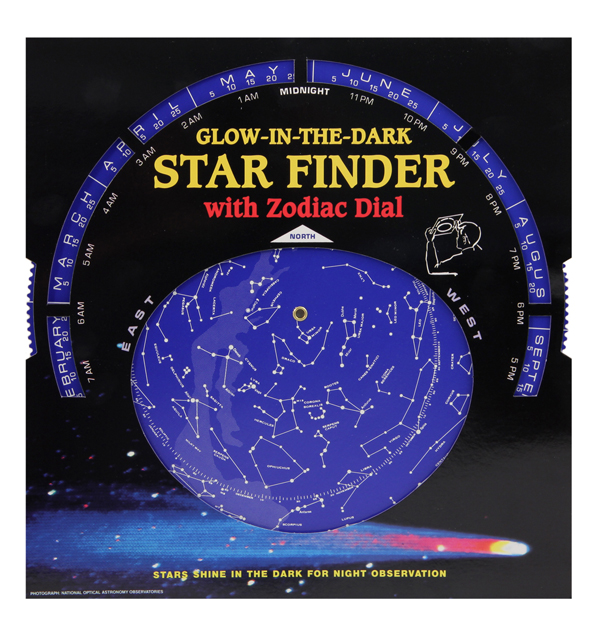
And to add to that, contact your local astronomy group. They are normally very friendly and always willing to help new stargazers navigate around the night sky. You don't need expensive kit either, a good pair of binoculars will do to get started. I've got an old 1950's ex British army pair, 8x40, paid £3.00 for them in a charity shop, but even they will split the odd binary like Mizar and Alcor in Ursa Major (The Great Bear / The Plough / The Big Dipper), give a faint view of objects like The Orion Nebular, show the larger moons of Jupiter and give spectacular images of the moon.Clouds at night can be tricky. The sky might just look blank. But without actually being there, it's hard for me to tell exactly what's going on. I suggest just moving on from that one experience, and teach yourself the night sky. Pretty soon you'll be able to point out stars and constellations to friends and family. You'll be able to recognize planets just because of the way they look. Venus is very bright and blue-white, Saturn is a salmon-yellow, Mars is a dull red , etc.