I thought it might be best to send you a PM about this, since I don't particularly feel like getting into a public debate .....snip
The telescope he's suggesting is a disappointment waiting to happen and I'd like to take a moment to explain why that is.
1. Schmidt-Cassegrain telescopes suffer from something called Mirror Flop. When the tube moves, the primary mirror (located at the lower end of the tube) wobbles like mad. It also wobbles whilst you're adjusting the focuser, which is as annoying as hell when you're trying to focus on a small object -- it makes it nearly impossible to determine whether you are in focus or not and once you wait until the mirror stops wobbling, the target has moved and you're back to square one.
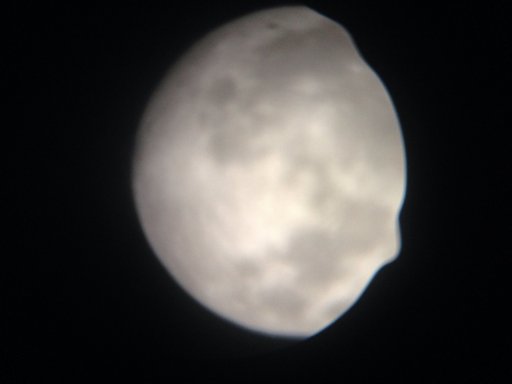
2. It has a focal ratio of f/10 -- this means that it's a "slow" telescope, meaning the light has a long way to travel after it enters the scope before it reaches your camera. The result? Low contrast and grainy/fuzzy images at high shutter speeds. This tube is best for looking at extremely bright objects which are not moving or are moving relatively little (the moon, or planets). The focuser on this tube is also really "coarse". Chances are, if you're chasing a plane... by the time you get into focus, the plane will be long gone.
3. The mount can't have another tube added to it later on. If you decide you want to try something else, you'd be forced to buy the whole kit all over again.
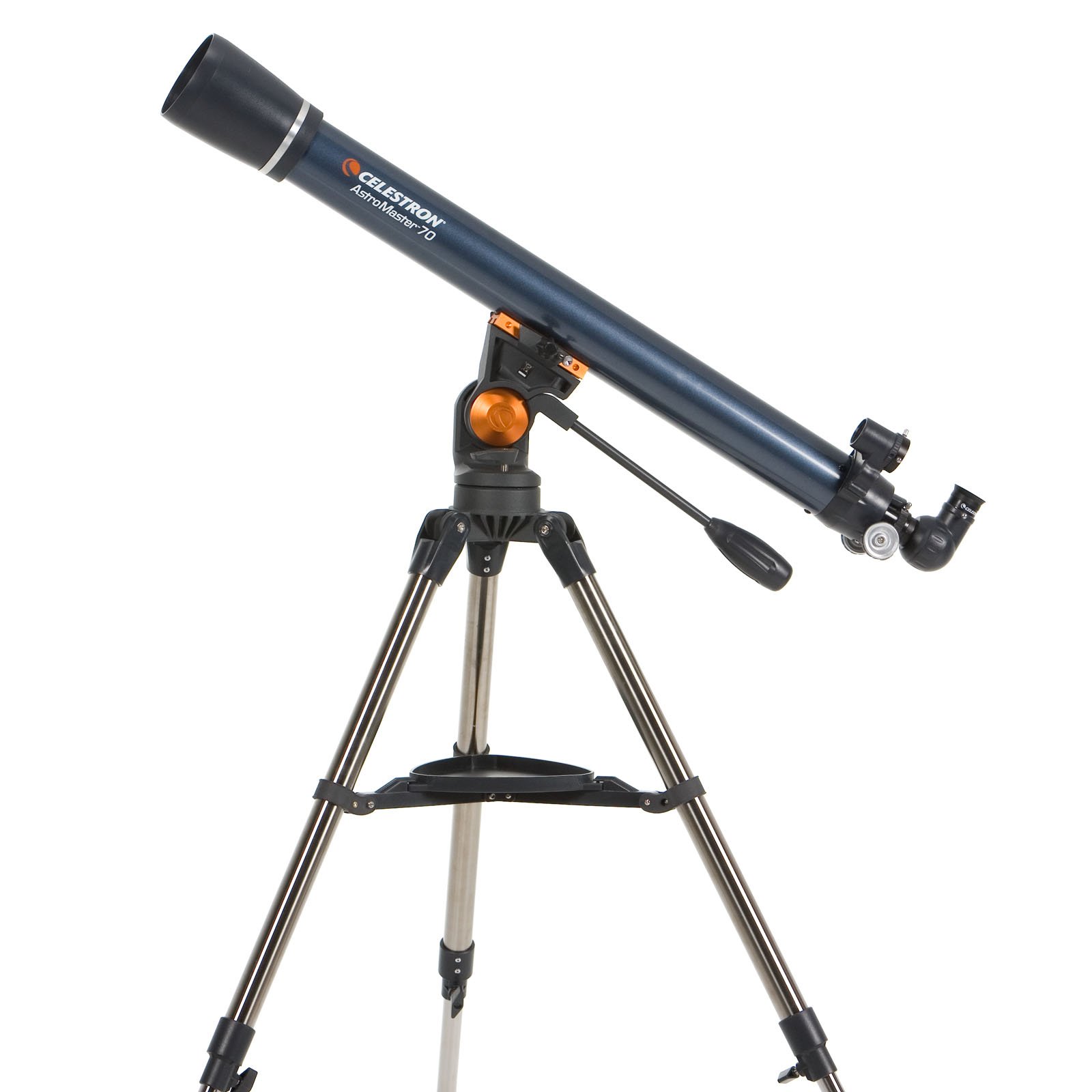
If you don't find the Dob appealing, your best bet for what you want to do specifically (whilst maintaining the ability to upgrade at a later stage) is to try and get a motorized mount (but NOT a Celestron -- these are made from old parts that Synta are trying to get rid of since they bought Celetron and took over manufacturing) and either a Newtonian reflector (fixed mirror, no wobble!) or a refractor (80-100mm is a good size to start with). You will still be able to track targets with this design without the hassles I mentioned above.